
Starting Your First Journal: A Beginner’s Guide
Everything you need to know before you write your first entry. Covers choosing a notebook, setting up your space, and overcoming the blank page.
Stream of consciousness, bullet points, structured reflection—explore five approaches and find the method that supports your self-awareness journey best.
Not all journals work the same way. What works beautifully for your friend might feel forced for you. That’s because journaling isn’t one-size-fits-all—it’s deeply personal. The best method is the one you’ll actually use consistently, the one that feels natural when you pick up the pen (or open your laptop).
We’re exploring five proven journaling approaches here. Some are loose and free-flowing. Others are structured and goal-focused. Some combine both. Your job is to read through, notice which one makes you think “yes, I could do that,” and give it a real try for at least two weeks. You might surprise yourself.

This is pure, unfiltered writing. You set a timer—usually 10 to 20 minutes—and write whatever comes to mind without stopping. No editing. No fixing grammar. No worrying if it makes sense. The goal isn’t perfection; it’s getting everything out of your head and onto the page.
Stream of consciousness works best if you’re processing emotions, working through decisions, or need to clear mental clutter. It’s messy. It’s honest. And honestly? It’s incredibly freeing. Many people find that after 15 minutes of stream-of-consciousness writing, their mind feels noticeably quieter.
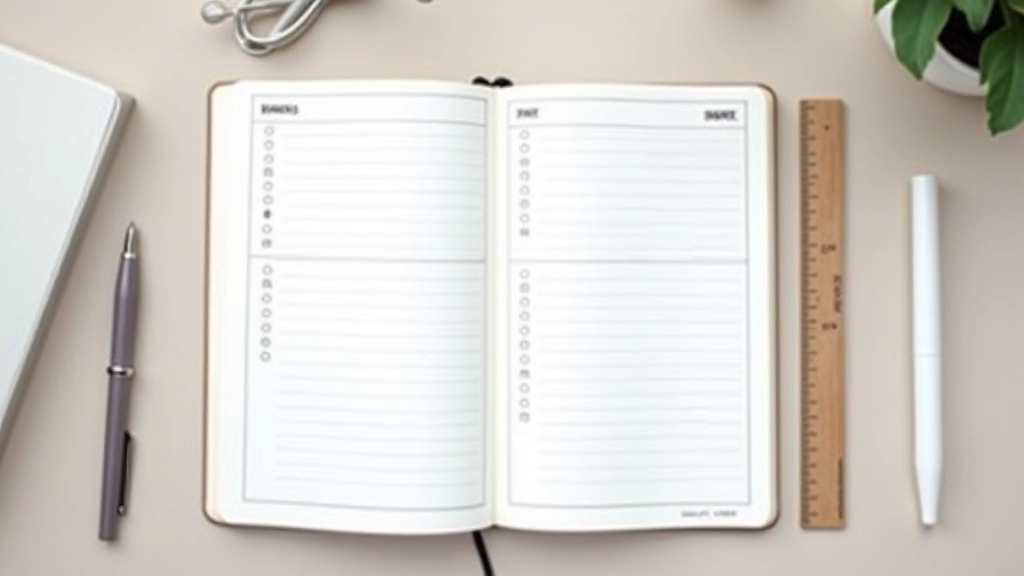
Bullet journaling is organized and visual. You use bullets, dashes, and short symbols to quickly log tasks, events, and thoughts. Each entry is brief—maybe just a sentence or two. Pages often include trackers for habits, mood charts, or simple drawings. It’s minimalist but intentional.
This method suits people who think in lists and like seeing progress at a glance. If you’ve ever felt calmed by checking things off a list, you’ll probably love bullet journaling. It combines planning, reflection, and creative expression without requiring artistic skill.
This structured approach focuses on what went well and what you’ve learned. You might write three things you’re grateful for, reflect on a challenge you faced, or explore a question like “What did I do today that aligned with my values?” It’s intentional and reflective without being overwhelming.
Gratitude journaling shifts your brain toward noticing positive details. After 30 days of consistent practice, most people report feeling calmer and more aware of small good moments in their day. It’s gentle but powerful.
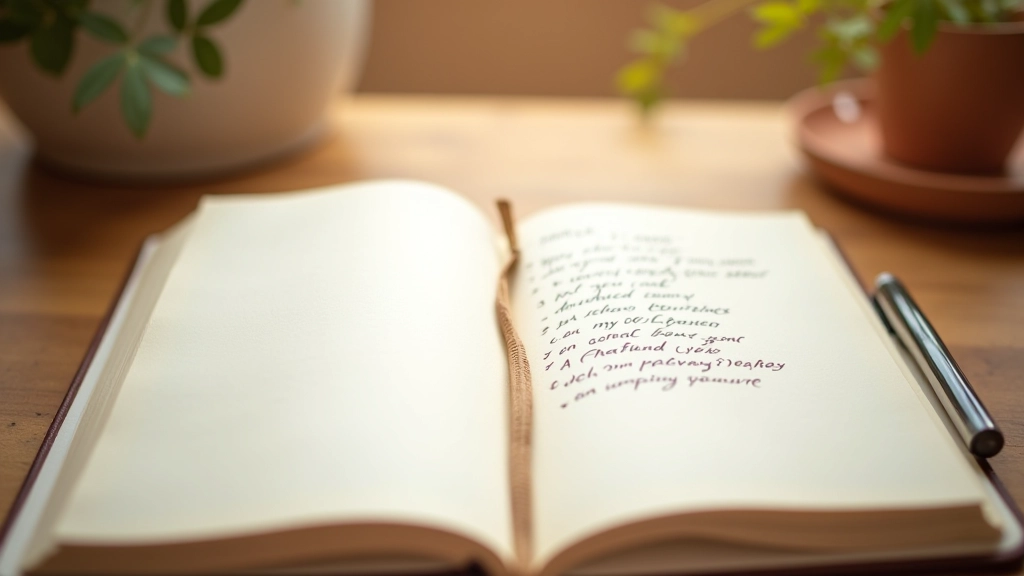
You start with a specific question or prompt and write your response. “What am I avoiding right now?” “Who has influenced me most?” “What does self-care look like for me?” Prompts give you direction without dictating what you must write. They’re like a conversation starter with yourself.
This method works beautifully when you don’t know where to start. Instead of staring at a blank page, you’ve got a question to explore. It’s flexible enough to go deep if you want, or stay surface-level if that’s what the moment needs.
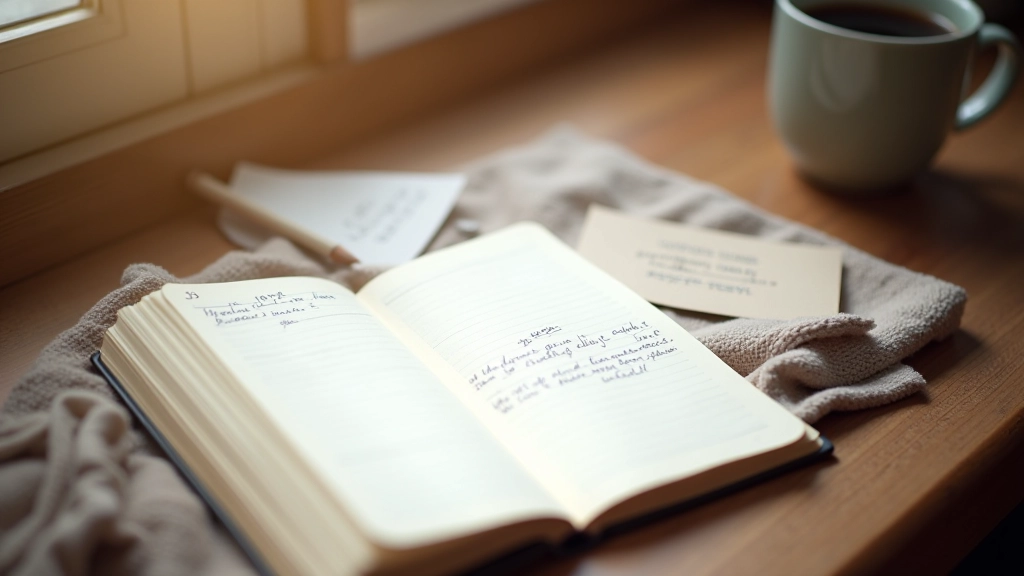
Some people don’t want to write in traditional sentences. They want to draw, paste images, use watercolor, or combine text with visual elements. Art journaling lets you express yourself however feels right—through color, shape, images, and minimal text.
Don’t worry if you think you “can’t draw.” Art journaling isn’t about creating gallery-worthy pieces. It’s about letting your hands and mind express what words sometimes can’t. Even simple doodles, collages, or splashes of color can be deeply reflective.

Individual learning outcomes and experiences with journaling vary from person to person. What resonates deeply with one person might not click for another. That’s completely normal. We encourage you to experiment with these methods, combine them, or adapt them to what feels authentic to you. There’s no single “right” way to journal—only the way that works for your life and supports your growth.
Here’s the truth: you don’t need to choose just one method forever. Some people rotate between approaches depending on their mood or what they’re working through. On busy mornings, they might bullet journal. On reflective evenings, they might use prompts. On creative days, they might paint.
The best way to find your fit is to try. Pick the method that made you think “I could see myself doing that,” grab a notebook, and commit to it for two weeks. Two weeks is enough to move past the initial “this is awkward” phase and actually feel whether it’s working for you.
Your journaling practice is yours alone. It doesn’t have to look beautiful or productive or meaningful to anyone else. It just has to feel right to you. And that’s where the real self-awareness begins.
Editorial Team
Written by the Mindful Ink editorial team, focused on practical guidance for mindful journaling and reflective writing practice. We believe that journaling is a deeply personal journey, and our role is to share different approaches so you can discover what works for you.
Everything you need to know before you write your first entry. Covers choosing a notebook, setting up your space, and overcoming the blank page.

When you don’t know what to write, these prompts unlock deeper reflection. Each one is designed to move you past the blank page into meaningful writing.

Learn how reflective writing helps you process emotions, identify patterns, and develop deeper self-awareness through consistent journaling practice.